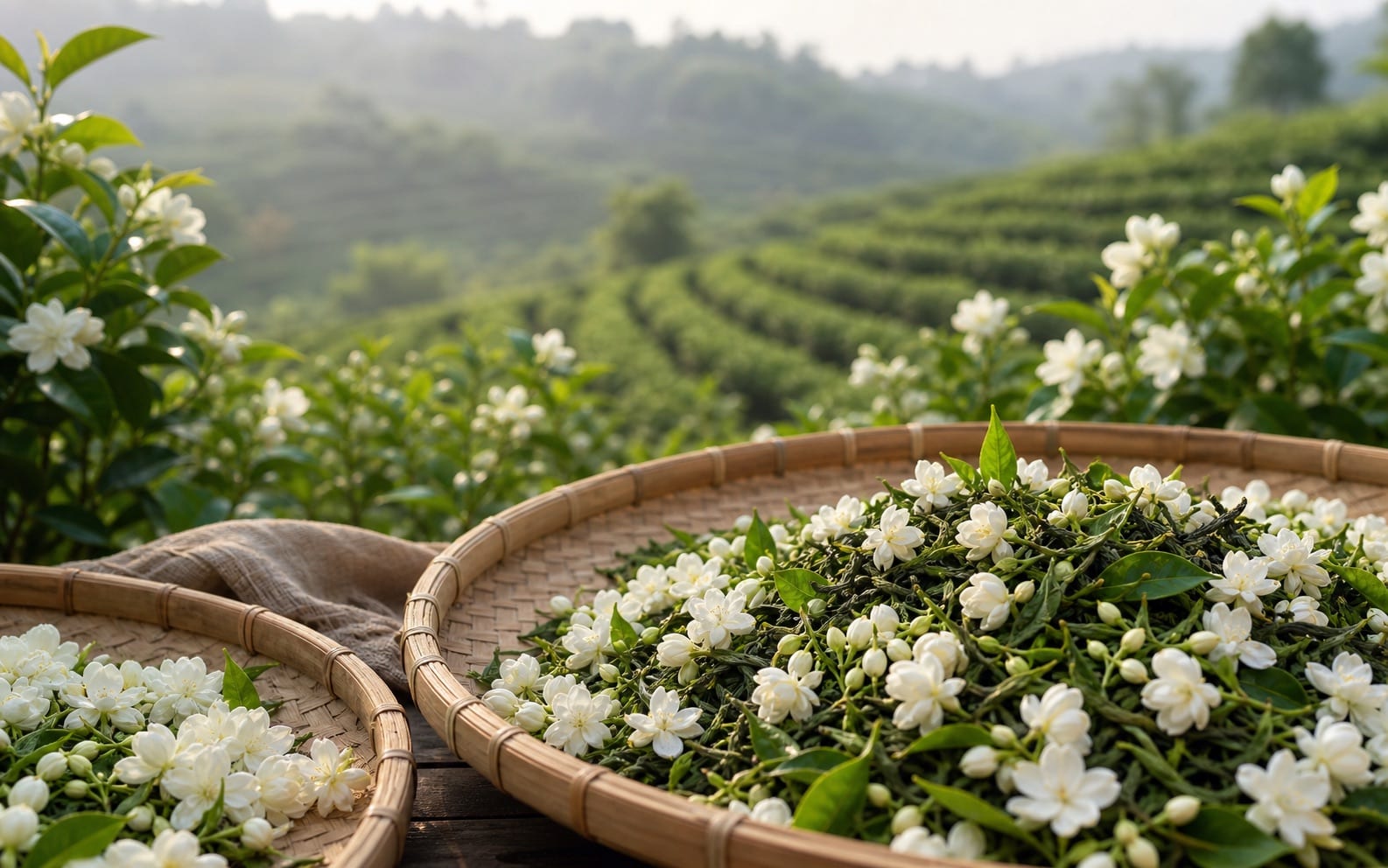
What Is Hengzhou Jasmine Tea? Origin, Scenting, and Flavor
Learn what makes Hengzhou jasmine tea distinctive: Guangxi origin, fresh jasmine blossoms, repeated scenting, floral aroma, and brewing tips.
June 6, 2026
What Is Hengzhou Jasmine Tea? Origin, Scenting, and Flavor
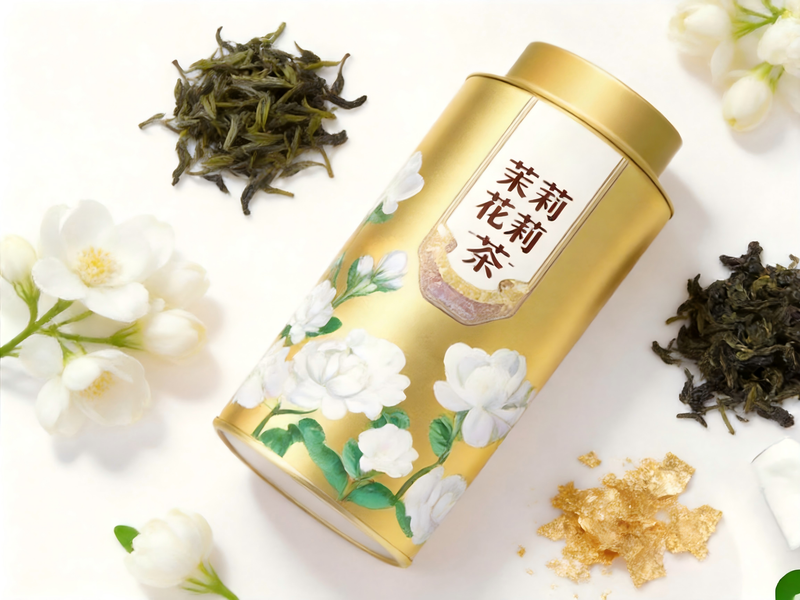
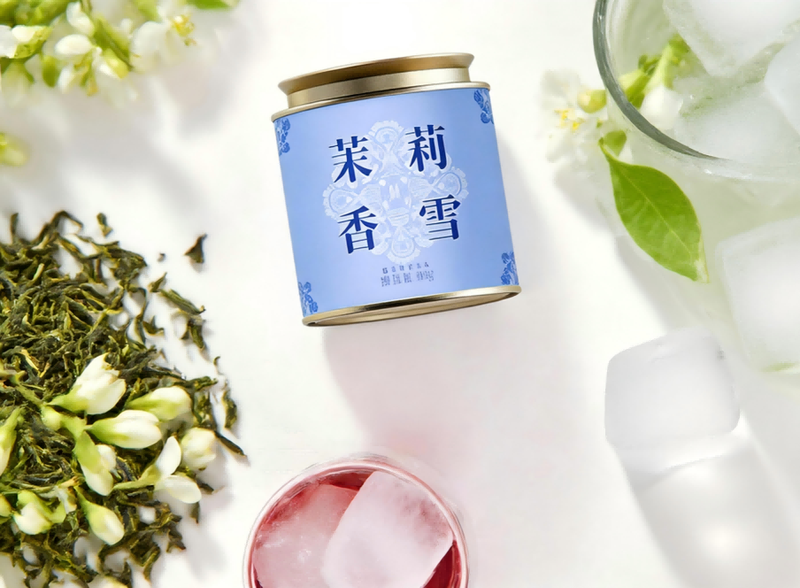
Hengzhou jasmine tea is jasmine-scented tea from Hengzhou, Guangxi, China, a region closely associated with jasmine flower cultivation and traditional jasmine tea production. For tea drinkers, the name matters because jasmine tea quality depends on two things working together: a clean base tea and fresh blossoms used for scenting.
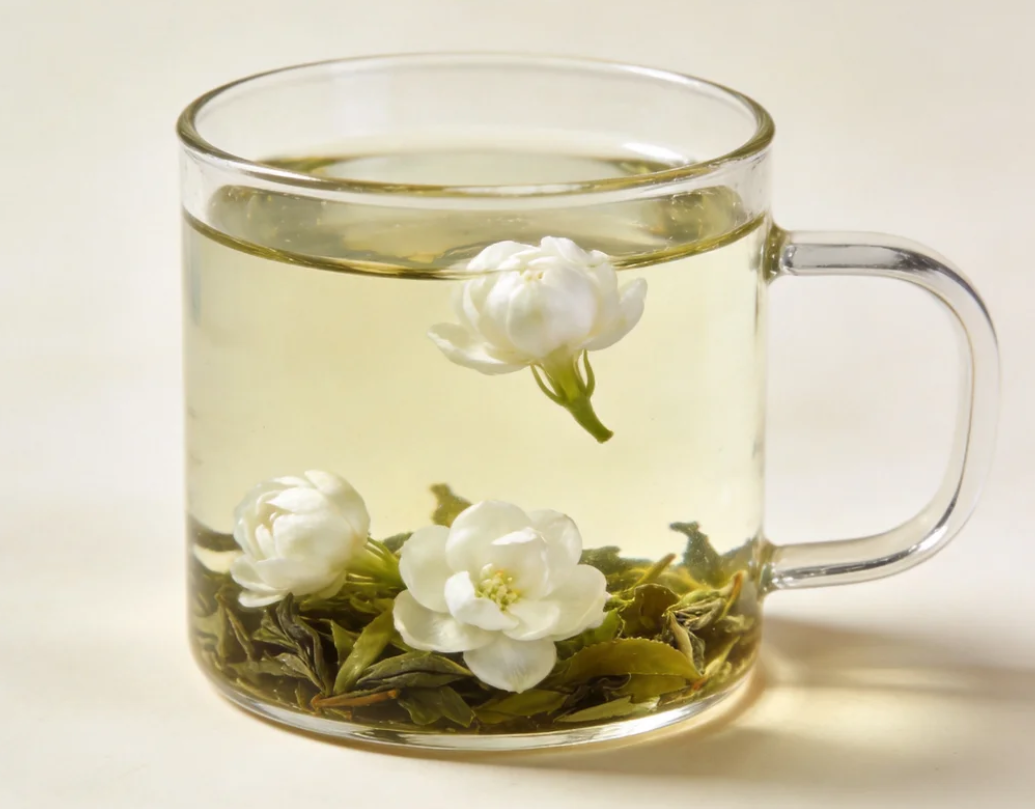
Good Hengzhou jasmine tea should not taste like perfume or added flavoring. It should smell naturally floral, taste clean and balanced, and leave a soft sweetness after the sip.
Where is Hengzhou jasmine tea from?
Hengzhou is located in Guangxi in southern China. The area has a warm climate that supports jasmine flowers, and the local tea industry is built around harvesting blossoms and using them while their fragrance is still vivid.
 Freshness is important. Jasmine flowers release their aroma after picking, so traditional processing depends on timing, flower selection, and repeated contact between tea leaves and blossoms.
Why Hengzhou matters for jasmine tea
Jasmine tea is not simply made by mixing tea leaves with dried jasmine flowers. In the traditional production process, cured tea bases absorb the fragrance of fresh jasmine blossoms, which are then sifted out, allowing the floral aroma to emanate naturally from inside the tea leaves.
With large-scale jasmine planting areas and the unique double-petaled jasmine variety, tea makers can source fresh blossoms during the optimal scenting season, creating tea infusions with rich, mellow, deep and long-lasting floral notes.
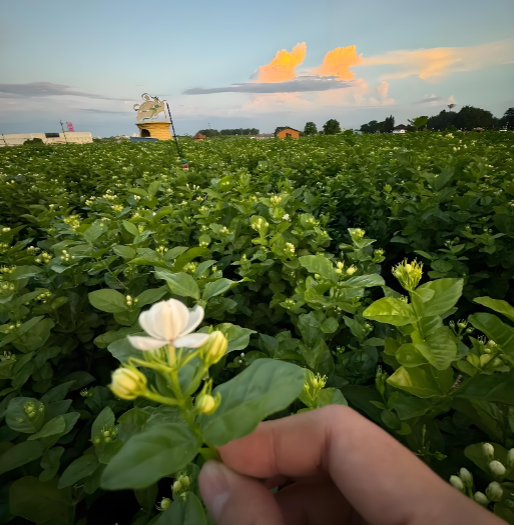
How jasmine tea is scented
The details vary by producer, but traditional jasmine tea scenting usually follows this pattern:
- Pick the jasmine blossoms. Buds are collected when they are ready to open and release fragrance.
- Let the blossoms open. The flowers are sorted and rested so their aroma becomes active.
- Layer tea with flowers. Tea leaves and blossoms are blended or stacked together so the leaves absorb floral compounds.
- Control heat and moisture. The pile must be managed carefully so the fragrance stays bright instead of dull or stuffy.
- Separate the spent flowers. After the flowers give up their scent, they are removed from the tea.
- Repeat the scenting. Higher-quality jasmine teas may go through multiple scenting rounds for a deeper, longer-lasting aroma.
- Finish and dry the tea. Gentle drying helps stabilize the tea before packing.
This process explains why real jasmine tea can smell layered and natural. The fragrance comes from contact with fresh blossoms, not from a heavy artificial scent.
What does Hengzhou jasmine tea taste like?
A well-made cup is floral first, but it should still taste like tea. Expect:
- Fresh jasmine blossom aroma
- Light green tea sweetness
- A clean yellow-green liquor
- Gentle briskness from the tea base
- A soft, lingering floral finish
If the tea tastes harsh, bitter, or flat, it may be over-brewed, stale, or made from a lower-quality base tea.
How to choose better jasmine tea
Look for jasmine tea that gives clear information about origin, tea type, and brewing instructions. A good product page should explain whether the tea is jasmine green tea, how fragrant it is, and how to avoid bitterness during brewing.
Avoid tea that smells aggressively perfumed or tastes sweet in an artificial way. Jasmine tea should feel clean, not cosmetic.
Best way to brew Hengzhou jasmine tea
For hot tea, use water around 175-185°F and steep briefly. For cold brew, use filtered water and refrigerate until the flavor becomes smooth and sweet.
Jasmine green tea is sensitive to boiling water, so gentle brewing protects both the floral aroma and the tea's fresh taste.
Related reading
- For practical steeping steps, read How to Brew Jasmine Green Tea
- To compare hot and iced methods, see Hot Brew vs Cold Brew Jasmine Tea
- To understand where jasmine green tea fits, read Chinese Tea Types: Green, White, Oolong, Black, and More
- Explore teas from Original Jasmine Tea in our online tea shop