What Is Hengzhou Jasmine Tea: A Night of Blossom and Tea
What Is Hengzhou Jasmine Tea: A Night of Blossom and Tea
June 8, 2026
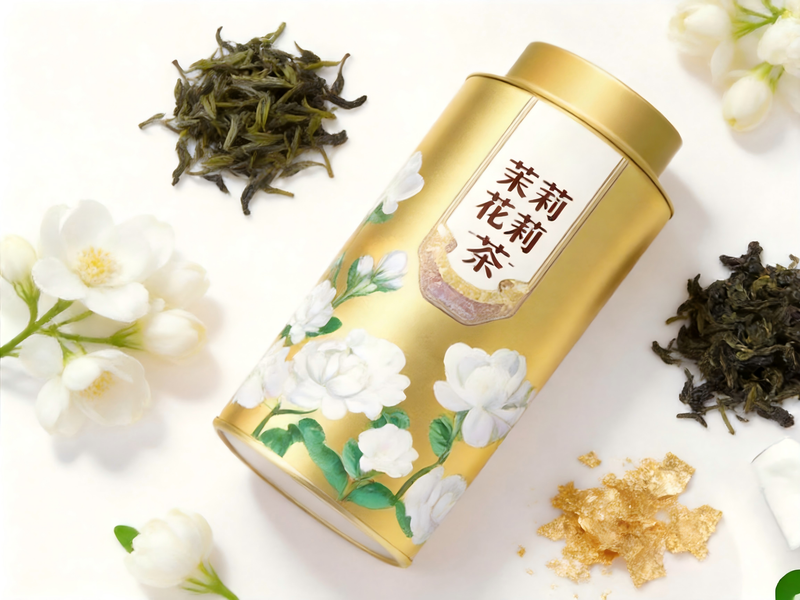
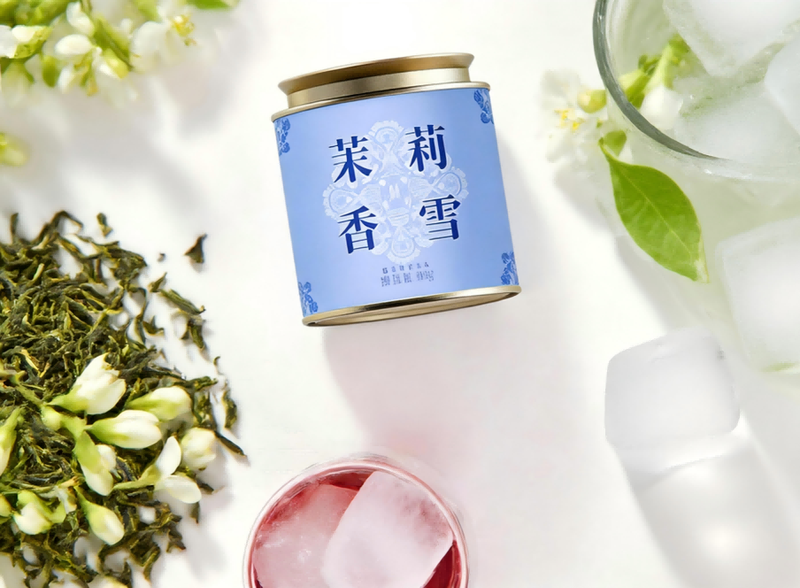
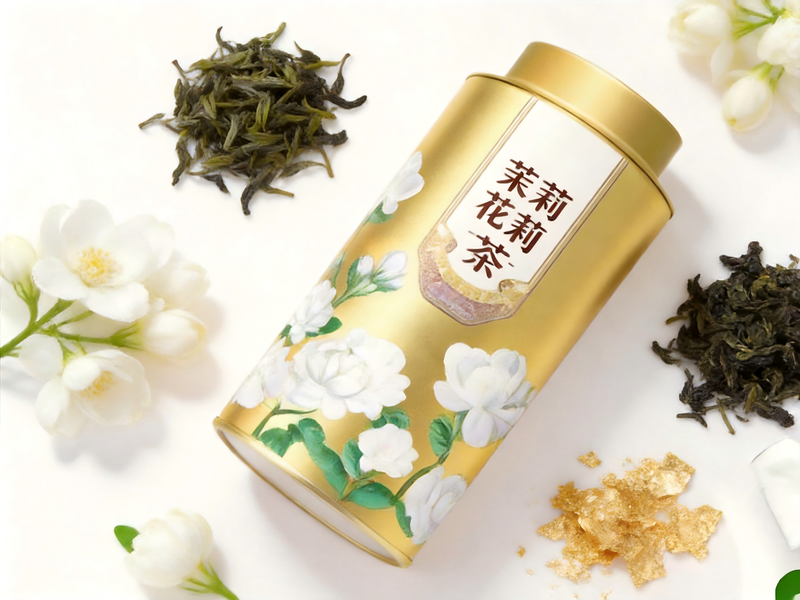
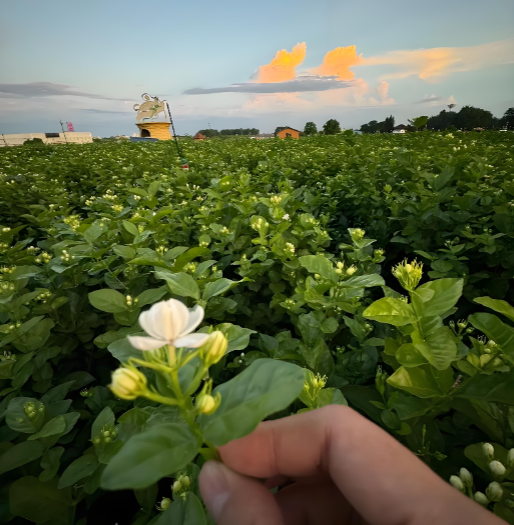
On a humid midsummer evening in Hengzhou, Guangxi, the air hums with invisible sweetness. Before sunset, the endless jasmine fields stretching across 86.67 square kilometers lie quiet, with tightly closed white flower buds tucked among glossy dark green leaves. To outsiders, this ordinary countryside landscape reveals no magic. But to local tea artisans, dusk marks the start of the birth of Hengzhou jasmine tea—the world’s most renowned floral tea that supplies over 60 percent of global jasmine tea output. To define it simply, Hengzhou jasmine tea is not merely green tea mixed with jasmine petals; it is a time-bound harmony between camellia leaves and double-petaled Hengzhou jasmine, forged by overnight traditional scenting craftsmanship passed down for centuries.
I first grasped its essence while accompanying Lao Chen, a fourth-generation Hengzhou tea artisan, on his daily flower-picking round. Contrary to common intuition, premium jasmine buds are never picked at dawn when flowers bloom. Local farmers wait until noon, when the southern Guangxi sun blazes hottest. Intense solar heat locks rich aromatic essential oils inside unopened buds. Picked at 2 p.m., the buds are stripped of tough calyxes and stems immediately—one kilogram of finished jasmine snowball tea discards nearly ten kilograms of raw flowers to retain only pure fragrant petals. This rigorous selection is the first rule that separates Hengzhou jasmine tea from generic jasmine tea across China.
The real miracle unfolds after 9 p.m., the secret core of Hengzhou’s unique flavor. Unlike jasmine varieties in Fujian or Sichuan that release fragrance sporadically, Hengzhou double-petaled jasmine steadily emits soft, layered aroma from 9 p.m. to 8 a.m. the next day, with a flowering season lasting six months—two to three months longer than competing origins. As moonlight spilled over the flower warehouse, Lao Chen spread cool-dried spring green tea leaves evenly on bamboo mats, then layered fresh jasmine buds on top in precise proportions. “Tea breathes at night, and flowers give fragrance at night,” he explained. Tea leaves are porous and fragrance-hungry after low-temperature drying; they can only absorb floral essence fully when flower essential oils diffuse in cool, windless night air.
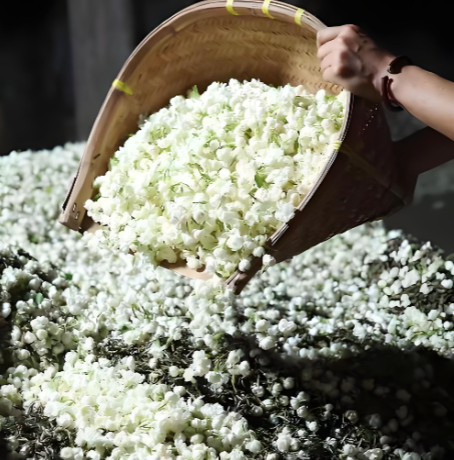
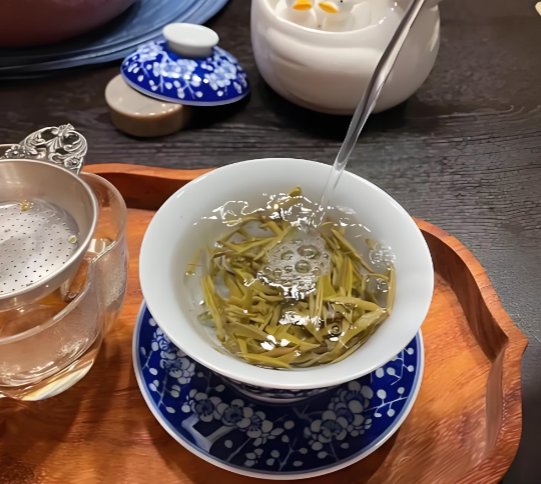
This process is called scenting, and authentic high-grade Hengzhou jasmine tea adopts the ancient “four scentings and one finishing” technique spanning 14 days. After each overnight scenting, artisans gently bake the tea leaves at low temperature to evaporate excess flower moisture and solidify absorbed floral aroma. Four repeated cycles prevent superficial fleeting fragrance, while the final finishing step adds a fresh batch of flowers with no secondary baking. This creates its iconic taste: clear pale yellow tea liquor, layered fragrance that does not overpower the original fresh grassy note of green tea, and lingering sweet floral aftertaste on the tongue long after swallowing.
Many overseas tea lovers misunderstand Hengzhou jasmine tea as a cheap bulk floral beverage. The misunderstanding stems from its massive industrial output: 340,000 local residents rely on the jasmine industry, and Hengzhou dominates 80 percent of China’s domestic jasmine tea supply. Yet industrialized streamlined production never replaced handcrafted heritage. I watched Lao Chen discard faded flowers manually after every scenting round, a step automated machines cannot replicate. Machine processing crushes residual flower fragments, causing bitter mixed flavors, while manual sorting preserves the pure dual taste of tea and blossom without impurity.
At sunrise the next morning, we brewed a cup of freshly finished hand-scented Hengzhou jasmine tea. Steam curled upward, carrying soft white floral scent that spread across the room instantly. The first sip brought crisp green tea freshness upfront, followed by slow-blooming jasmine sweetness spreading from the throat to the nasal cavity. No artificial essence, no heavy floral additives—only the natural exchange of moisture and aroma between two plants across quiet summer nights.
So what exactly is Hengzhou jasmine tea? Geographically, it is tea scented with unique double-petaled jasmine grown in Hengzhou’s mild subtropical soil and rain. Culturally, it is an intangible cultural heritage that obeys natural rhythms: respecting the sun for flower picking, respecting moonlight for fragrance fusion, and respecting time for repeated scenting. Emotionally, it is a quiet dialogue between humans and nature. It condenses countless overnight vigils of local artisans, who trade sleep for perfect fragrance balance.
It is more than a drink. It is Hengzhou’s whispered summer memory, captured in every curled tea leaf, waiting to unfurl and release moonlight fragrance in a cup of hot water anywhere in the world.